


Introduction
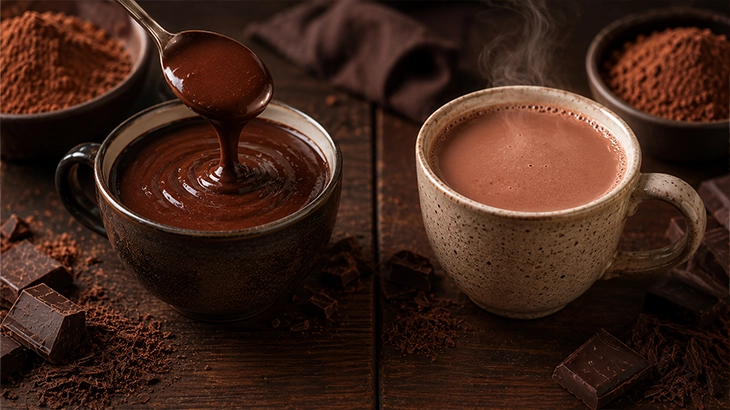
Warm chocolate beverages have moved well beyond the winter-only slot on café menus. Patrons are now ordering them through rainy evenings and sunny afternoons alike. However, there are many cafes still using ‘hot chocolate’ and ‘drinking chocolate’ as interchangeable menu terms. In reality, they’re built differently and behave differently in the cup.
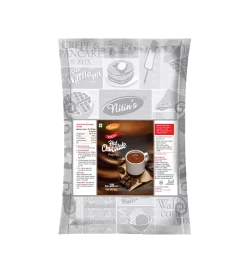
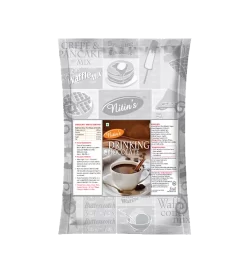
Getting this distinction right helps a café set the right price, the right preparation process, and the right customer expectation for each drink. Hot Chocolate Powder and Drinking Chocolate Mix from Nitin’s Premixes are formulated specifically to bring out these differences. They give cafes two distinct beverages instead of one drink having two names.
The Core Differences Between the Two
Both drinks share cocoa as their base. It’s the way cocoa is processed and blended that changes almost everything about the final cup.
-
Where the Richness Comes From
Hot chocolate typically leans on a cocoa-rich blend designed to dissolve quickly and deliver a familiar, slightly sweet chocolate taste. Drinking chocolate is formulated to carry more of the fat content associated with real chocolate. This gives it a richer, more rounded sensation on the palate.
It’s the single biggest reason the two drinks don’t taste the same, even though both start from cocoa. It also explains why drinking chocolate is often described as feeling closer to melted chocolate. Hot chocolate feels closer to a comforting cocoa drink.
-
Texture and Body in the Cup
Because it contains more fat, drinking chocolate is thicker. It leaves a coating on the inside of the cup and the back of the spoon. Hot chocolate is thinner and pours more easily. It has a consistency that’s closer to a rich, milky drink than something you can eat with a spoon.
For cafes, this isn’t just a sensory detail. Thicker drinks are often perceived as more indulgent and can be positioned as a dessert-style order. A lighter hot chocolate fits more naturally into an everyday beverage slot alongside coffee and tea.
-
How Each One Behaves in the Kitchen
This is a factor most generic chocolate beverage guides don’t touch on. However, it matters a great deal in café kitchens. Humidity and ambient kitchen temperature directly affect how a chocolate powder hydrates. It also affects how quickly it thickens once mixed with hot milk. A thicker drinking chocolate blend needs a slightly longer, more controlled whisking process.
This is mainly to avoid clumping in humid conditions. A lighter hot chocolate mix dissolves faster and is more forgiving for staff during a rushed service window. Cafes training new baristas should factor this into how each drink is made. This is because the same whisking technique won’t give consistent results across both.
-
Preparation Time and Staff Training
Linked directly to texture, preparation time also differs between the two. A well-formulated hot chocolate mix is built for speed. The reason is that it’s often ordered alongside other quick beverages during busy hours. Drinking chocolate typically asks for more attention during preparation to achieve that signature velvety texture.
Using ready-formulated premixes narrows this gap considerably. This is where Hot Chocolate Powder and Drinking Chocolate Mix from Nitin’s Premixes can help. They’re designed to give staff a consistent, repeatable process for each drink. Quality, therefore, won’t depend on how experienced the barista is.
-
Menu Positioning and Price Point
Drinking chocolate delivers a richer, more dessert-like experience. This gives cafes a good reason to price it higher and position it differently on the menu. It can be placed alongside some indulgent options like lava cake or a chocolate waffle.
Hot chocolate is lighter and quicker to prepare. It thus fits comfortably into the everyday beverage section next to coffee, tea, and milkshakes. Menus that list both under a single vague ‘hot chocolate’ heading often miss out on this pricing opportunity. This is because customers can’t tell they’re choosing between two genuinely different experiences.
Should a Café Stock Both?
For cafes with a broader beverage menu, stocking both can cover two distinct customer moods. A quick hot chocolate would suit someone looking for a comforting, familiar drink between meetings. Drinking chocolate would suit someone treating themselves to something more indulgent.
Smaller cafes with limited menu space can start with any of the two. They can then expand once they understand which occasion their regulars are ordering for most often. The decision to expand can also be made by knowing whether it’s their quick daily habit or an occasional treat.
A Simple Way to Check the Difference at the Counter
Staff can use a quick, practical test to confirm they’ve prepared the right drink before it leaves the counter. They can let a spoonful cool for about thirty seconds. A properly made drinking chocolate should hold its shape briefly on the back of the spoon. On the other hand, hot chocolate will run off almost immediately.
This kind of quick check is more useful for training purposes than relying on taste alone. This is because new staff often can’t tell the two apart by flavour until they’ve made both several times. Building this into onboarding can help maintain consistency even as teams change.
Storage Matters as Much as Preparation
Both powders are sensitive to moisture. However, drinking chocolate blends, carrying more fat content, are more prone to clumping if exposed to humid air for extended periods. This is why cafes should store opened packs in airtight containers during monsoon months.
A powder that has absorbed even a small amount of moisture will behave inconsistently during preparation. This is regardless of how carefully staff follows the recipe. Such a detail is easy to overlook, but it directly impacts the final texture served to the customer.
Conclusion
Hot chocolate and drinking chocolate must never be treated as the same item on a menu. Doing that would mean missing a genuine opportunity to serve two different customer needs well. The distinction comes down to formulation, texture, and how each drink is meant to be prepared and enjoyed.
Hot Chocolate Powder and Drinking Chocolate Mix from Nitin’s Premixes give cafes a dependable starting point for both. This makes it easier for them to offer two genuinely distinct chocolate beverages without added complexity in the kitchen.
How Frozen Yogurt Desserts Increase Profitability of Cafes
Discover how cafés can boost their profit margins with irresistible desserts prepared using frozen yogurt dessert premixes from Nitin’s Premixes.
Comments are closed.