



Introduction
When a café decides to add a frozen dessert counter, it mainly has two choices. It can either choose to scoop ice cream from a display freezer or serve a softy (soft serve) from a machine. On the menu, they look like the same product. Behind the counter, they couldn’t be more different, in how they’re stored, served, staffed, and costed.
So, which one earns more is the question here. Well, it depends less on taste than on the hidden operating details. Softy Mix from Nitin’s Premixes is built for the mix-based soft serve route, which many cafes find easier to start with.
How Softy and Ice Cream Really Differ
Before comparing earnings, let’s understand the difference between the two.
-
Serving Temperature
Softy is dispensed straight from the machine at roughly −4°C to −8°C. Scoop ice cream is typically stored around −15°C or colder and scooped from a hardened block. That gap matters for flavour. Very cold desserts generally taste less sweet and less flavourful, so a warmer serve can deliver more flavour per bite.
-
Air Content
Softy contains a lot of air, usually making up 30 to 60 per cent of its total volume. This is called overrun. For example, with 50 per cent overrun, one litre of softy mix produces about 1.5 litres of finished softy. Adding more air means you can make more servings from the same amount of mix.
However, too much air can make the softy taste less rich and flavourful. The type of machine used also matters. Pump-fed machines add more air than gravity-fed machines, making the softy lighter. They also help produce more cones from each kilogram of mix.
-
Milk Fat and What Each Product Is Called in India
Softy typically contains around 3 to 6 per cent milk fat, while ice cream usually starts at 10 per cent. In India, this affects naming too. FSSAI treats softy ice cream within the same standard as ice cream. Ice cream requires at least 10 per cent milk fat. Medium and low-fat versions must be declared on the pack.
Products that replace milk fat with vegetable fat must be sold as frozen dessert, not ice cream. The practical takeaway is to check the category printed on your mix or tubs and mirror that wording on the menu. Calling a medium-fat softy premium ice cream is a labelling risk.
A Two-Minute Test Most Cafes Never Run
Here’s a check that rarely appears in comparison guides. Once a week, fill the same small cup with dispensed softy and weigh it. Then weigh the same cup filled with liquid mix. If the softy gets noticeably heavier or lighter over time, the overrun is drifting. That means both your cost per cone and your texture are drifting too. It flags a problem long before patrons or the stock count do.
Which One Earns More for a Café?
Now to the part that decides the choice – what each option costs to run.
-
Scooping Labour vs Machine-Dispensed Portions
Scooping takes staff time, and scoop size varies with the person and with how hard the ice cream is that day. Small overshoots repeated across hundreds of servings quietly drain margins. A machine dispenses a swirl in seconds. The portion size is controlled by the cone or cup rather than the server’s hand. That speed matters most at peak hours, when a queue is the real cost.
-
Display Freezer Costs and Flavour Stock
A scoop counter needs a display freezer running all day at deep-freeze temperature, filled with tubs. Each flavour is stock sitting in the freezer, and slow-moving flavours risk ice crystals and wastage.
A softy counter replaces that with one machine and a mix per flavour. Stock thus follows what actually sells. To be fair, the machine has its own costs of purchase or rental, power, maintenance, and a daily cleaning routine. And if it breaks down, the whole counter stops, so a service plan matters.
-
Variety vs Speed
Scoop ice cream wins on range and premium perception, since a long flavour list looks impressive in a glass case. Soft serve wins on speed and volume. Many machines dispense two flavours plus a twist, giving three options from two mixes. So the real question isn’t which is better. It’s whether the café’s sales come from browsing patrons or from quick orders.
Compare Earnings Per Labour Hour, Not Just Per Serving
Scoop ice cream often earns more per serving because of its premium price. Soft serve often earns more per hour of labour because it’s faster to serve. Test this with a simple formula: (price − cost per serving) × servings per hour. Run it for each option using your own numbers, including staff time and the running costs of the freezer or machine.
The Case for a Mix-Based Softy Counter
For cafes that choose softy, a mix-based counter keeps things simple. The mix is the main ingredient in every serving, so cost per serving is predictable. Flavours change by changing the mix, and there are no finished tubs to store or write off.
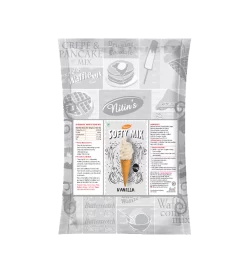
Softy Mix from Nitin’s Premixes comes in vanilla and chocolate. A café can launch its softy counter with these two flavours. Texture also depends on the ingredients in the mix, which is why a properly formulated mix matters more than most owners expect.

Conclusion
The safest way to settle the softy vs ice cream debate is a small, time-bound pilot rather than a big purchase. Ask whether a machine can be rented or trialled and run softy counter for four weeks. Track three numbers – servings per peak hour, weekly wastage, and how many patrons add a second item such as a topping or a cone upgrade.
If those beat your scoop counter, scale up. If not, you’ve learned without heavy spending. Softy Mix from Nitin’s Premixes suits this kind of pilot, giving cafes a consistent base. It will also give results that reflect the counter’s performance and not a mix that behaved differently week to week.
How Frozen Yogurt Desserts Increase Profitability of Cafes
Discover how cafés can boost their profit margins with irresistible desserts prepared using frozen yogurt dessert premixes from Nitin’s Premixes.
Comments are closed.